किसके लिए: Academic और General Training विद्यार्थी जो Reading में False और Not Given को मिला देते हैं
सवाल यह नहीं है कि “क्या यह सही लगता है?”
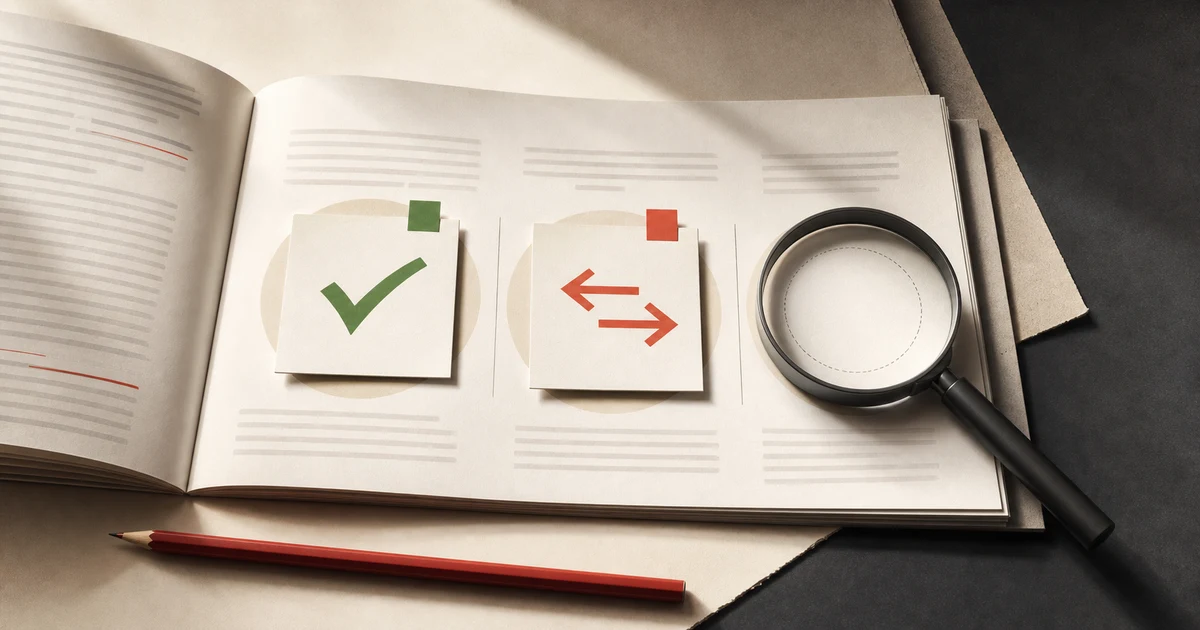
IELTS True, False, Not Given किसी statement को passage की information से मिलाता है। यह आपका general knowledge या opinion नहीं जाँचता। सही सवाल है: क्या passage पूरे statement को साबित करता है, उसके उलट को साबित करता है, या दोनों में से कुछ भी नहीं?
False के लिए passage में contradiction चाहिए। Not Given का अर्थ है कि statement या उसके opposite को तय करने के लिए पर्याप्त information नहीं है। कई keywords मिलने पर भी quantity, cause, comparison या time जैसा जरूरी detail गायब हो सकता है।
Yes, No, Not Given में यही evidence logic writer के views या claims पर लागू होती है। Question में दिए labels को ठीक उसी तरह इस्तेमाल करें।
Search से पहले तीनों decisions समझें
True तब है जब passage पूरे meaning को support करे, भले wording अलग हो। False तब है जब passage incompatible information दे। Not Given तब है जब passage complete statement को न support करे, न contradict।
सिर्फ answer जल्दी न मिलने पर Not Given न चुनें। पहले relevant section खोजें और details जाँचें। Opposite detail मिले तो False; decisive detail तय ही न हो तो Not Given।
| Answer | Passage क्या करता है | क्या evidence चाहिए |
|---|---|---|
| True | पूरे statement से सहमत है | हर जरूरी detail के लिए support |
| False | Statement को contradict करता है | Opposite या incompatible detail |
| Not Given | Decision तय नहीं करता | Statement या opposite, किसी का proof नहीं |
चरण 1: statement को evidence targets में बाँटें
Subject, main action और scope बदलने वाले शब्द mark करें: all, only, most, more, less, before, after, never, mainly और because। एक modifier answer बदल सकता है।
Statement को neutral question बनाएँ। “Most participants ने online course पूरा किया क्योंकि वह सस्ता था” में completion, format, proportion और cause—चारों का evidence चाहिए। कुछ लोगों के online पढ़ने का mention पर्याप्त नहीं है।
- Subject और action underline करें.
- Quantity, comparison, negative, cause और time circle करें.
- एक छोटा evidence question लिखें.
- सोचें कि opposite evidence कैसा होगा.
चरण 2: same words नहीं, same meaning खोजें
Answers आम तौर पर passage के order में आते हैं। आस-पास के questions से search boundary बनाएँ और names, dates, unusual nouns और paraphrases खोजें। Pronoun, contrast या cause हो तो neighbouring sentence भी पढ़ें।
“लगभग आधा कम हुआ” का meaning “तेजी से गिरा” से मिल सकता है। एक repeated word पर्याप्त नहीं; ideas के relation, negatives, concessions और degree की तुलना करें।
- Strong anchors: names, dates, numbers और technical terms.
- Meaning anchors: cause, comparison, change और sequence.
- एक isolated line के बजाय local context पढ़ें.
- Order location में मदद करता है; answer evidence तय करता है.
चरण 3: हर जरूरी detail test करें
Subject, action और modifiers की तुलना करें। सब supported हो तो True। एक जरूरी detail incompatible हो तो False। वह detail तय ही न हो तो Not Given।
“Programme ने sleep improve की” से यह साबित नहीं होता कि “हर participant की sleep improve हुई।” “Every” के लिए अलग evidence चाहिए। Passage museum का opening year 1998 बताए तो 2001 वाला statement False है; year न बताए तो Not Given।
चरण 4: outside knowledge हटाएँ और Not Given को control करें
Official guidance कहती है कि topic के बारे में अपनी जानकारी से answer न चुनें। Real-world fact भी passage में support के बिना True नहीं बनता। पूछें: “क्या मैं इसे इसी passage से साबित कर सकता हूँ?”
Endless search से बचने के लिए सही paragraph locate करें, पूरा local context पढ़ें और missing detail पहचानें। Topic समाप्त हो जाए और claim या opposite दोनों न मिलें, तो Not Given चुनकर आगे बढ़ें। सिर्फ समय नहीं, bounded search decision को मजबूत बनाती है।
Worked example: पूरे meaning की तुलना करें
Original practice passage: “The Riverside Library began a weekend trial in March. During the first month, Saturday visits increased by 18 per cent. Managers extended the trial through winter, but they have not yet decided whether Sunday opening will continue next year.”
Passage March और Saturday visits में 18% increase confirm करता है। Sunday पर decision नहीं हुआ है और increase का cause नहीं दिया गया।
| Statement | Answer | Reason |
|---|---|---|
| Trial March में शुरू हुआ. | True | Month सीधे दिया गया है. |
| Saturday visits 20% बढ़ीं. | False | Passage 18% कहता है. |
| Longer hours ने increase cause किया. | Not Given | Increase है, cause नहीं. |
| अगले साल Sunday opening निश्चित है. | False | Decision अभी नहीं हुआ है. |
Error cause review करके speed बढ़ाएँ
Learning mode में exact evidence underline करें और बताएँ कि बाकी दो labels क्यों गलत हैं। Error को classify करें: wrong location, missed paraphrase, ignored modifier, outside knowledge, या contradiction और absence में confusion।
24–48 घंटे में उसी trap को नए passage पर दोहराएँ। कई practice sets में accuracy और error cause देखें; छोटी series को band prediction न बनाएँ। Format सीखने के लिए official samples इस्तेमाल करें।
- Short set पूरा करें.
- Exact evidence mark करें.
- Error cause लिखें.
- नई passage पर वही skill लगाएँ.
- कुछ दिन बाद pattern दोबारा जाँचें.
अक्सर पूछे जाने वाले सवाल
False और Not Given में क्या अंतर है?
False के लिए passage में contradiction चाहिए। Not Given में statement या उसके opposite, किसी को साबित करने वाली पर्याप्त information नहीं होती।
क्या answers order में आते हैं?
आम तौर पर information के order में आते हैं। इसे location के लिए इस्तेमाल करें, फिर meaning verify करें।
क्या अपना knowledge इस्तेमाल कर सकता हूँ?
नहीं। Answer केवल passage पर आधारित होना चाहिए।
क्या Yes, No, Not Given वही है?
Logic similar है, लेकिन comparison writer के views या claims से होता है। Task labels follow करें।
Not Given पर समय कैसे बचाएँ?
Relevant topic locate करें, details test करें, और context claim या opposite दोनों न बताए तो search रोक दें।
स्रोत और समीक्षा टिप्पणी
इस गाइड की नीचे दिए गए स्रोतों से जाँच की गई है। LexiUp परीक्षा संचालकों से स्वतंत्र है।